
Art has played a pivotal role in human history, serving as a means of communication, expression, and representation. Throughout the ages, artistic forms have evolved and diversified, transcending boundaries and redefining our understanding of the world. This essay delves into the essence of art, exploring its cultural significance, various forms, and the role it plays in shaping our identities.
The Cultural Significance of Art
- Historical perspective From prehistoric cave paintings to contemporary digital art, artistic expressions have been integral to human societies. Art has not only been used to capture the essence of a moment in time but has also helped convey the beliefs, values, and customs of diverse civilizations.
- Art as a medium for storytelling Art has often been employed as a medium to tell stories, both mythical and historical. This narrative function has helped to preserve the collective memories of communities and has also provided an understanding of the human experience from a variety of perspectives.
The Many Forms of Art
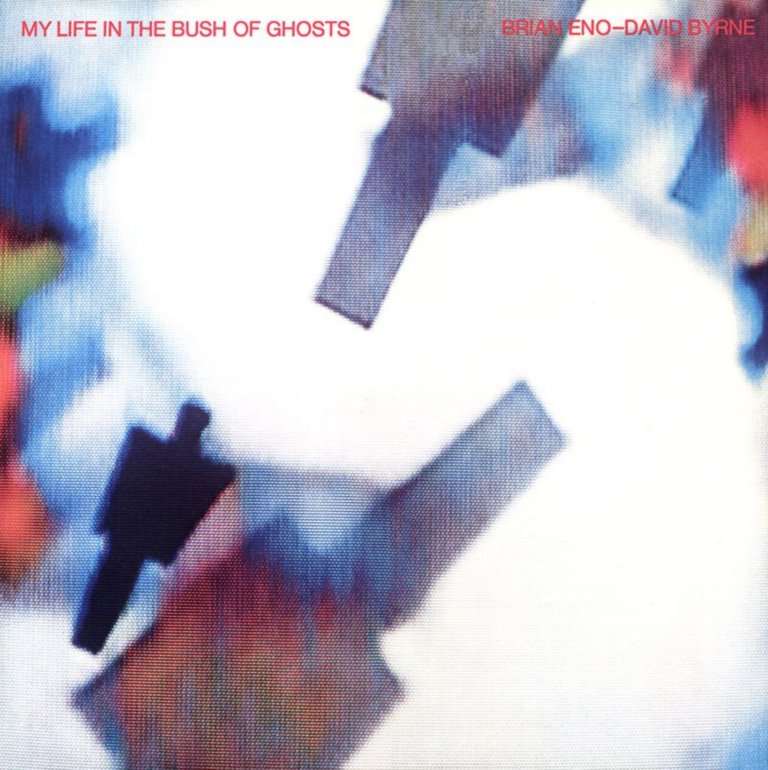
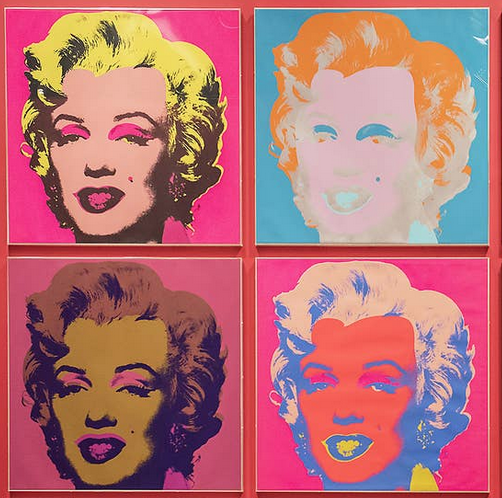
- Visual arts Visual arts encompass various mediums such as painting, sculpture, photography, and film. Each form offers a unique lens through which to view the world and express emotions or ideas. Artists use colors, textures, and shapes to create visual narratives that elicit emotional responses from their audiences.
- Performing arts Performing arts, including theater, dance, and music, are artistic expressions that involve live performances. These art forms engage audiences by utilizing the human body, movement, and sound, offering a dynamic and immersive experience that can captivate and inspire.
- Literary arts Literary arts involve the use of language to create artistic expressions, such as poetry, novels, and essays. The power of words allows authors to explore and convey complex emotions, ideas, and experiences, fostering empathy and understanding among readers.
The Role of Art in Shaping Identity
- Personal identity Art provides individuals with a means of self-expression and introspection, allowing them to explore their inner selves and communicate their thoughts and feelings. This process can contribute to the development of a strong sense of self and personal identity.
- Cultural identity Art also serves as a reflection of a culture’s values, beliefs, and history. By engaging with the art of one’s own culture or that of others, individuals can gain a deeper understanding of their cultural roots and develop a sense of belonging.
- Art as a catalyst for change Throughout history, art has often been a driving force for social change, as it has the ability to challenge societal norms and provoke critical thinking. Art can inspire individuals to question the status quo and imagine new possibilities, ultimately shaping the collective identity of communities.
The essence of art lies in its multifaceted nature, encompassing a wide range of forms and functions that contribute to the richness of human expression. From its role as a cultural touchstone to its impact on personal and collective identities, art remains an invaluable medium through which we can explore the world, connect with others, and ultimately, better understand ourselves.