A Stylistic Revolution in Design
Art Deco emerged as a design movement in the 1920s and 1930s, characterized by its bold, geometric patterns, rich colors, and luxurious materials. Born out of the cultural melting pot of Paris, Art Deco quickly became a global phenomenon, influencing architecture, furniture, fashion, and graphic design. This blog post will explore the history, key characteristics, and impact of Art Deco on the world of design.
History of Art Deco
- Origins in Paris Art Deco emerged in France in the early 1920s, coinciding with the International Exhibition of Modern Decorative and Industrial Arts held in Paris in 1925. The exhibition showcased the latest innovations in design and craftsmanship, and the style displayed there became known as Art Deco, short for “Arts Décoratifs.”
- Global Spread The movement quickly gained traction across Europe and the United States, where it became synonymous with the optimism and progress of the Roaring Twenties. Art Deco designs graced the facades of buildings and interiors of movie theaters, hotels, and luxury liners, while also influencing industrial design and consumer products.
- Decline and Resurgence The Great Depression and World War II led to a decline in the popularity of Art Deco. However, the style experienced a resurgence in the 1960s and 1970s, when a new generation of designers and collectors began to appreciate its distinctive aesthetic.
Key Characteristics of Art Deco
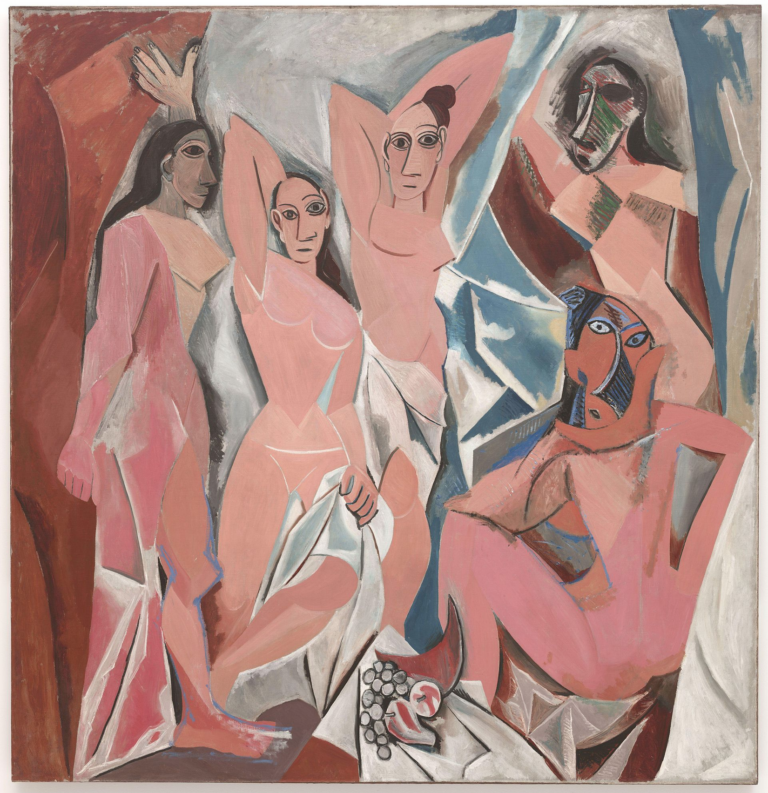
- Geometric Shapes One of the most recognizable aspects of Art Deco is its use of geometric shapes and patterns. Inspired by the simplicity and clarity of Cubism, Art Deco design often features bold, repetitive patterns with strong lines and angles.
- Rich Colors and Luxurious Materials Art Deco is known for its use of vibrant colors, such as gold, silver, and jewel tones like emerald green and ruby red. Additionally, Art Deco designs frequently incorporated luxurious materials like ivory, lacquer, and exotic woods, reflecting the opulence of the era.
- Influence of Ancient Cultures Art Deco designers found inspiration in the art and architecture of ancient civilizations, such as Egypt, Mesopotamia, and the Aztec and Mayan cultures. This can be seen in the use of stepped forms, ziggurats, and stylized motifs borrowed from these cultures.
Impact of Art Deco on Design
- Architecture Art Deco had a significant impact on architecture, with notable examples including the Empire State Building, the Chrysler Building, and the Rockefeller Center in New York City. These buildings exemplify the style’s emphasis on vertical lines and geometric patterns, creating a sense of modernity and progress.
- Furniture and Interior Design Art Deco furniture and interiors were characterized by their sleek, streamlined forms and luxurious materials. Designers like Émile-Jacques Ruhlmann and Jean Dunand created custom pieces for wealthy clients, while mass-produced designs brought Art Deco style to the wider public.
- Fashion and Graphic Design The Art Deco movement also had a profound influence on fashion and graphic design. Designers such as Coco Chanel and Elsa Schiaparelli embraced the style’s geometric patterns and vibrant colors, while illustrators and poster artists like A.M. Cassandre and Erté captured the spirit of the era in their distinctive works.
Art Deco was a revolutionary design movement that reflected the optimism and modernity of the early 20th century. Its bold geometric patterns, luxurious materials, and global influences made it a truly unique and iconic style. Although its popularity waned during the mid-century, Art Deco continues to inspire