| |

Magdalena Abakanowicz

Every Tangle of Thread and Rope

At Tate Modern, Until 21 May 2023

Magdalena Abakanowicz’s work is showcased at Tate Modern in an exhibition that perfectly captures her ideas about nature’s power and the individual’s place in it. Her huge fabric sculptures hang ominously, threatening to engulf those who walk around them. The installation is daunting, suffocating, and breathtaking all at once.The exhibition starts with smaller and more sedate works that are dark, naturalistic abstractions filled with organic forms.

These early works were unacceptable in 1950s Poland, where individual expression had to serve the common good. However, the state encouraged cooperation between designers, craftspeople, and artisans, which led Abakanowicz to lose herself in the looms. Her early tapestries are somber abstracts of brown, beige, and tan wool, resembling age-old carpets worn and tattered by centuries of use.As Abakanowicz evolved, so did her tapestries, taking on freer, more naturalistic forms.

They became curved and cut, pierced and undulating, looking more like bison hides than tapestries. Ropes, hessian sacks, animal horns, and human faces wrapped in common appear nearby, all fibrous, twisted, and knotted, like ancient fossils recently dug up.

As Abakanowicz evolved, so did her tapestries, taking on freer, more naturalistic forms. They became curved and cut, pierced and undulating, looking more like bison hides than tapestries. Ropes, hessian sacks, animal horns, and human faces wrapped in common appear nearby, all fibrous, twisted, and knotted, like ancient fossils recently dug up.

The exhibition becomes more bodily in the final main space, with a huge pair of black lungs, piles of corpse-like burlap sacks, suspended internal organs, and massive labial folds. Here, nature has fused with the individual, creating a world where nature’s power has swallowed up the state, the past, and the individual, leaving behind nothing but the organic, the ancient, and the beautiful.

Poland’s history, with its forests bisected by train tracks that led to concentration camps, its plains as sites of battle, and its beaches soaked with blood, adds to the exhibition’s historical and emotional weight. Abakanowicz’s work is beautiful, staggering, and uncomfortable, reeking of history and a past trying to reclaim the present.

The only complaint about the exhibition is that there is not enough of it. Abakanowicz had a long, varied career, and one is left hungry to lose oneself in even more of her work. Nevertheless, what is on display is awe-inspiring, showcasing a huge, dark world where nature’s power dominates, leaving behind only the organic, the ancient, and the beautiful.

Website: Tate Modern

Vergelijkbare berichten

  • | | |

    London Marathon

    A Memorable Sunday at the London Marathon It was early on a Sunday morning, the fourth day of our thrilling adventure in London. The streets were abuzz with excitement, as thousands of eager runners and spectators gathered to participate in one of the world’s most iconic marathons. The London Marathon, which began in 1981, has…

  • | |

    The Big Apple Reimagined -Uncovering New York City’s Hidden Gems

    New York City is a world of its own, a pulsating metropolis that never sleeps. Often referred to as the “Big Apple,” this city offers a blend of culture, history, and modernity that attracts millions of visitors each year. While iconic attractions such as Times Square, the Statue of Liberty, and Central Park are well-known,…

  • | |

    Travel Through France

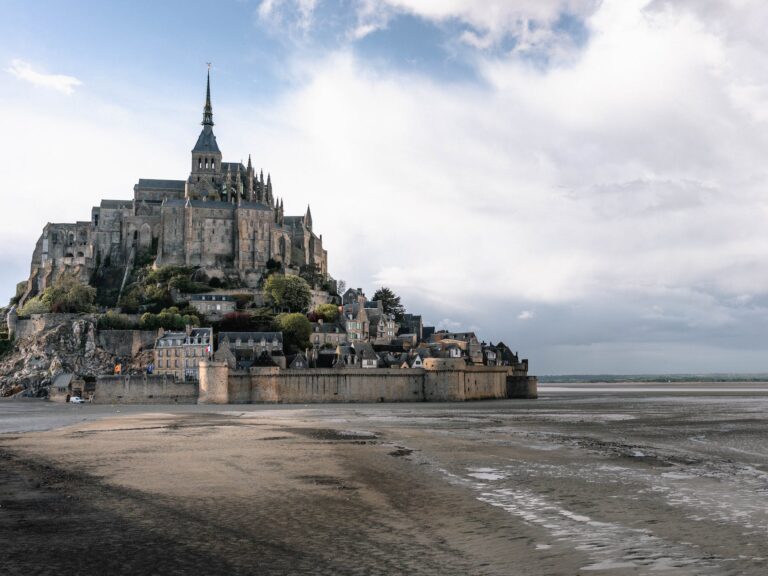
    This content explores the enchanting cities of France: Dijon, Lyon, Carcassonne, Bordeaux, Toulouse, Provence, and Nantes, highlighting their unique cultural heritage, history, and culinary delights. Dijon is famous for its architecture and mustard, while Lyon is the gastronomic heart with vibrant markets. Carcassonne’s medieval citadel captivates visitors, and Bordeaux is noted for its prestigious wines. Toulouse offers a mix of ancient and modern charm, Provence showcases idyllic landscapes and historical sites, and Nantes combines heritage with artistic innovation. Each destination promises memorable experiences.

  • | |

    Ann Demeulemeester

    Ann Demeulemeester is a prominent figure in contemporary fashion, renowned for her unique blend of gothic and minimalist styles. As one of the Antwerp Six, she significantly influenced the global fashion landscape, challenging norms and embracing individuality. Her brand, founded in 1985, is characterized by emotional depth through asymmetrical silhouettes and monochromatic palettes. Following her departure in 2013, the brand has continued to evolve under new leadership while honoring her legacy. Demeulemeester’s work extends into furniture and art collaborations, reinforcing her impact across creative disciplines, and inspiring future designers.

  • Impressionism

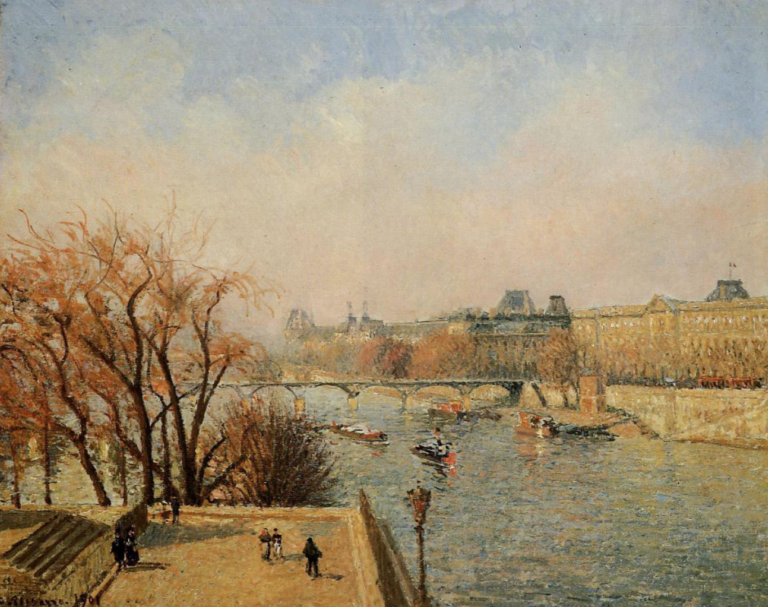
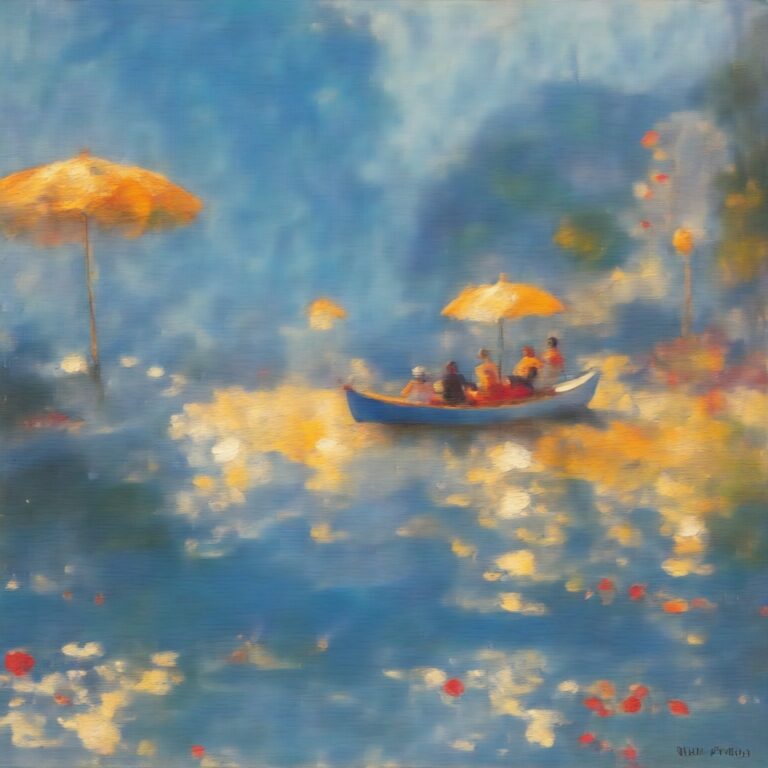
    Impressionism emerged in late 19th-century France as a radical departure from academic painting, prioritizing the capture of light and color over meticulous detail. Key figures like Claude Monet, Pierre-Auguste Renoir, and Edgar Degas pioneered techniques such as loose brushwork and plein air painting, focusing on everyday life and modern experiences. Initially criticized, Impressionism significantly influenced subsequent art movements and remains celebrated today, impacting not only the art world but also popular culture through its emphasis on natural beauty and spontaneity.

Geef een reactie

Je e-mailadres wordt niet gepubliceerd. Vereiste velden zijn gemarkeerd met *