| 

Exploring Artists and Their Journey with Digital Mediums

Accessibility and Inclusivity

One of the most significant impacts of digital art is its accessibility. Unlike traditional art forms that often require expensive materials and studio space, digital art can be created with just a computer or tablet. This has lowered the barriers to entry for aspiring artists, allowing more people to express themselves creatively.

Moreover, digital art has made it easier for artists from marginalized communities to share their perspectives and stories. The internet provides a platform for voices that might otherwise be overlooked, contributing to a more diverse and inclusive art world.

The Commercialization of Digital Art

The rise of digital art has also led to new opportunities for commercialization. From freelance work to selling prints and digital downloads, artists can monetize their work in various ways. The advent of NFTs (Non-Fungible Tokens) has further revolutionized the digital art market, allowing artists to sell their work as unique digital assets. This has opened up new revenue streams for artists, particularly those who work exclusively in digital mediums.

The Role of Digital Art in Activism

Digital art has proven to be a powerful tool for activism. Artists around the world use their digital platforms to raise awareness about social and political issues, often creating compelling visual narratives that resonate with a broad audience. Whether it’s addressing climate change, advocating for human rights, or challenging societal norms, digital art has become an essential part of contemporary activism.

The Intersection of Digital Art and Technology

The relationship between digital art and technology is symbiotic. As technology advances, so too does the potential for digital art. Virtual reality (VR) and augmented reality (AR) are two areas where this intersection is particularly evident. Artists are beginning to explore these technologies to create immersive experiences that push the boundaries of traditional art forms. These innovations are not only changing how art is created but also how it is experienced, offering viewers new ways to engage with artistic content.
Articoli simili

  • Sonia Delaunay

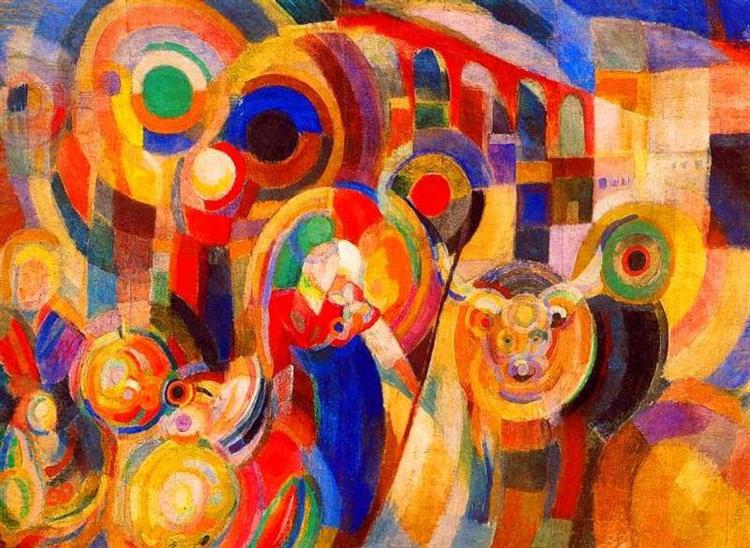
    Sonia Delaunay, born in 1885 in Ukraine, was a pioneering figure in 20th-century modernism known for her innovative contributions to various art forms, including painting, textiles, and fashion. Together with her husband Robert, she developed the theory of Simultanism, which emphasized color’s expressive potential. Delaunay’s multidisciplinary approach integrated art into everyday life, establishing her lasting legacy in breaking down the boundaries between fine and applied arts.

  •  |  |  | 

    Albion Waves

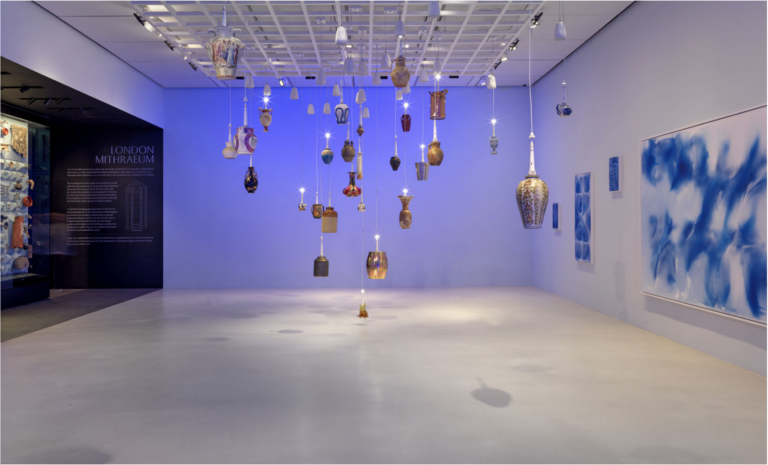
    An Acoustic Journey Through Britain’s History Bloomberg SPACE – London 9 Feb 2023 – 15 Jul 2023 Oliver Beer’s latest installation, Albion Waves, offers a unique and immersive exploration of Britain’s material history and its ever-evolving position across the globe. The innovative installation draws inspiration from the 14,000 Roman artifacts discovered at the Bloomberg site…

  • Ilse D’Hollander

    Ilse D’Hollander, a Belgian artist born in 1968, remains a poignant figure in contemporary art, celebrated for her profound exploration of painting’s potential. Her work, characterized by an evocative blend of abstraction and figuration, captures the delicate balance between the tangible landscape and its emotional resonance. Despite her career’s tragic brevity—D’Hollander’s life ended prematurely in…

  •  |  | 

    Magdalena Abakanowicz

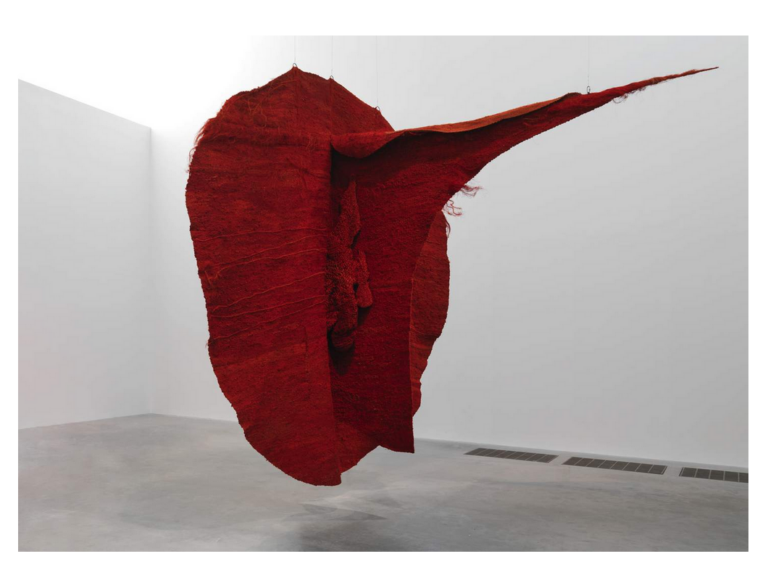
    Every Tangle of Thread and Rope At Tate Modern, Until 21 May 2023 Magdalena Abakanowicz’s work is showcased at Tate Modern in an exhibition that perfectly captures her ideas about nature’s power and the individual’s place in it. Her huge fabric sculptures hang ominously, threatening to engulf those who walk around them. The installation is…

  • The World of Painting

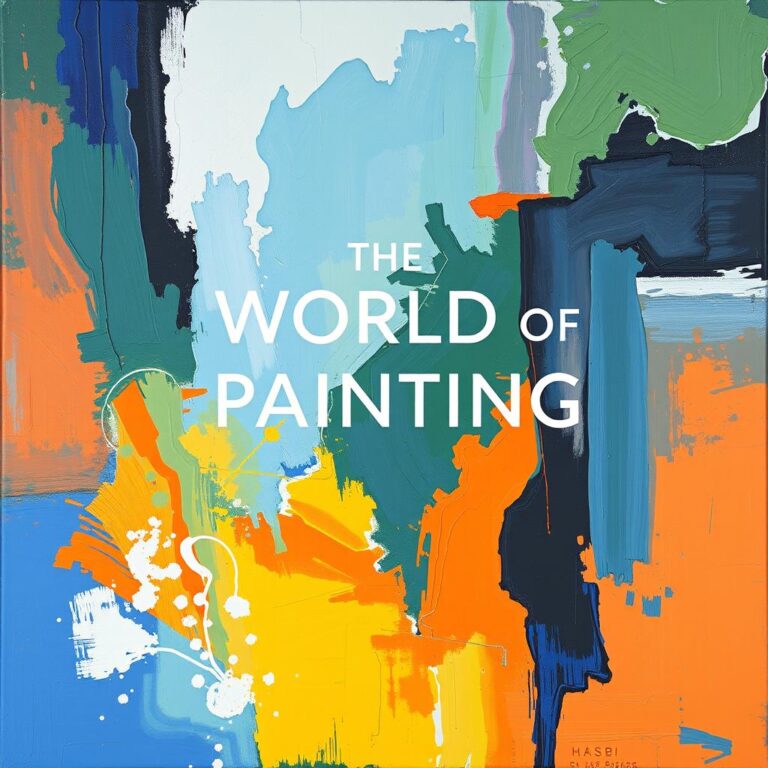
    The content explores the multifaceted world of painting, highlighting its evolution from ancient cave art to contemporary practices. It delves into different painting styles like realism, impressionism, expressionism, and more, explaining techniques such as glazing and impasto. The importance of color, its psychological impacts, and the creative process are emphasized alongside tips for overcoming creative blocks and connecting with fellow artists through workshops and online communities. Lastly, it discusses turning painting into a profession and the joy that comes from the artistic journey.

  • “Art Through the Ages: A Journey Through Time and Imagination”

    Chapter 3: Middle Ages to Renaissance 1. Medieval Art: Byzantine, Romanesque, Gothic Byzantine Art (330-1453) Byzantine art, spanning from the establishment of Constantinople (modern-day Istanbul) in 330 A.D. to the city’s fall in 1453, is renowned for its religious and imperial themes. The art was primarily intended to express spiritual mysticism rather than physical realism….

Lascia un commento

Il tuo indirizzo email non sarà pubblicato. I campi obbligatori sono contrassegnati *