The Essence of Art – Unraveling the Layers of Human Expression

person s hand touching wall
Photo by Pedro Figueras

Art has played a pivotal role in human history, serving as a means of communication, expression, and representation. Throughout the ages, artistic forms have evolved and diversified, transcending boundaries and redefining our understanding of the world. This essay delves into the essence of art, exploring its cultural significance, various forms, and the role it plays in shaping our identities.

The Cultural Significance of Art

  • Historical perspective From prehistoric cave paintings to contemporary digital art, artistic expressions have been integral to human societies. Art has not only been used to capture the essence of a moment in time but has also helped convey the beliefs, values, and customs of diverse civilizations.
  • Art as a medium for storytelling Art has often been employed as a medium to tell stories, both mythical and historical. This narrative function has helped to preserve the collective memories of communities and has also provided an understanding of the human experience from a variety of perspectives.

The Many Forms of Art

  • Visual arts Visual arts encompass various mediums such as painting, sculpture, photography, and film. Each form offers a unique lens through which to view the world and express emotions or ideas. Artists use colors, textures, and shapes to create visual narratives that elicit emotional responses from their audiences.
  • Performing arts Performing arts, including theater, dance, and music, are artistic expressions that involve live performances. These art forms engage audiences by utilizing the human body, movement, and sound, offering a dynamic and immersive experience that can captivate and inspire.
  • Literary arts Literary arts involve the use of language to create artistic expressions, such as poetry, novels, and essays. The power of words allows authors to explore and convey complex emotions, ideas, and experiences, fostering empathy and understanding among readers.

The Role of Art in Shaping Identity

  • Personal identity Art provides individuals with a means of self-expression and introspection, allowing them to explore their inner selves and communicate their thoughts and feelings. This process can contribute to the development of a strong sense of self and personal identity.
  • Cultural identity Art also serves as a reflection of a culture’s values, beliefs, and history. By engaging with the art of one’s own culture or that of others, individuals can gain a deeper understanding of their cultural roots and develop a sense of belonging.
  • Art as a catalyst for change Throughout history, art has often been a driving force for social change, as it has the ability to challenge societal norms and provoke critical thinking. Art can inspire individuals to question the status quo and imagine new possibilities, ultimately shaping the collective identity of communities.

The essence of art lies in its multifaceted nature, encompassing a wide range of forms and functions that contribute to the richness of human expression. From its role as a cultural touchstone to its impact on personal and collective identities, art remains an invaluable medium through which we can explore the world, connect with others, and ultimately, better understand ourselves.
????

  • |||

    Albion Waves

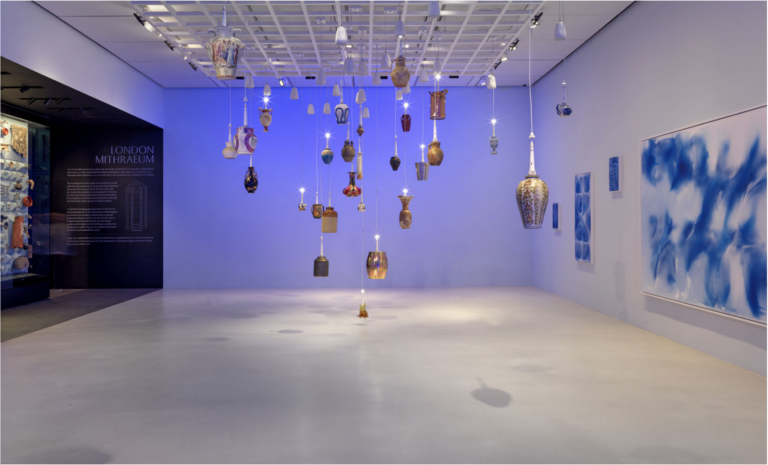
    An Acoustic Journey Through Britain’s History Bloomberg SPACE – London 9 Feb 2023 – 15 Jul 2023 Oliver Beer’s latest installation, Albion Waves, offers a unique and immersive exploration of Britain’s material history and its ever-evolving position across the globe. The innovative installation draws inspiration from the 14,000 Roman artifacts discovered at the Bloomberg site…

  • John Stezaker

    John Stezaker is a significant contemporary artist renowned for his innovative collages that merge found photographs into thought-provoking art. His practice delves into themes such as memory, identity, and representation, challenging viewers to reconsider the nature of images. Techniques like manual cutting and pasting allow for a tactile engagement, evoking nostalgia while disrupting familiar narratives. Stezaker’s notable series, including “Film Portraits” and “Marriage,” explore the fluidity of identity through visual dissonance. His exhibitions at prestigious venues have solidified his impact on the contemporary art scene and inspired a renewed appreciation for collage as a complex art form.

  • ||

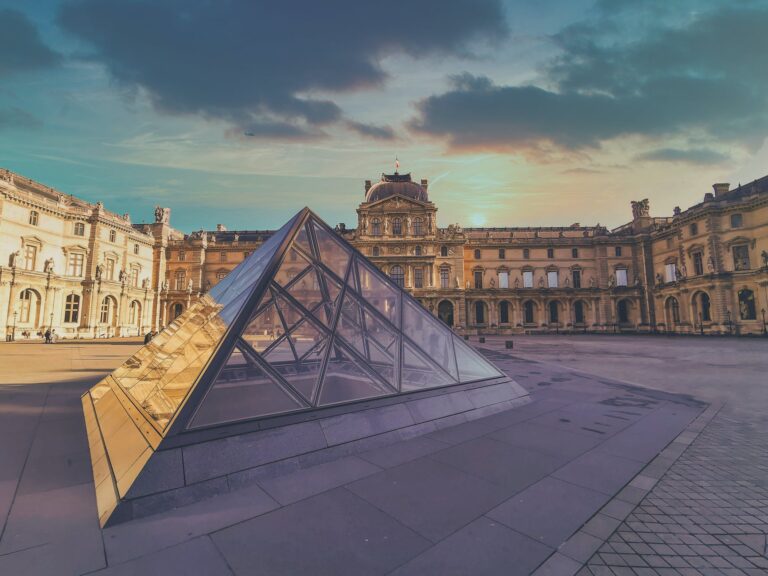
    The Louvre

    The Louvre, nestled in the heart of Paris, stands as a beacon of culture, history, and art. It embodies a chronicle of human civilization and houses the world’s most revered artworks. From its origins as a royal fortress to a public institution, the Louvre’s architectural narrative chronicles the evolution of French art. Its vast collection, organized into eight departments, spans over 9,000 years of history. The Louvre’s global influence encompasses the Louvre Abu Dhabi, international exhibitions, and educational programs, exemplifying its commitment to cultural diplomacy and global outreach. Through digital initiatives, the museum promotes accessibility and inclusivity, making art and cultural heritage globally attainable.

  • ||

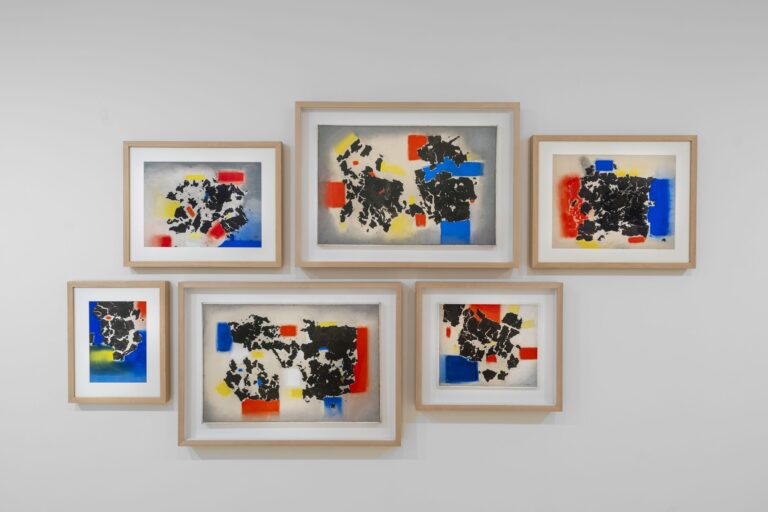
    “Edmondo Bacci: Energy and Light” – A Luminous Journey Through the Venetian Master’s Universe

    From April 1 through September 18, 2023, the radiant heart of Venice will beat to a particularly vibrant rhythm, as it plays host to the much-anticipated exhibition, “Edmondo Bacci: Energy and Light” at the Peggy Guggenheim Collection. Curated by Chiara Bertola of the Fondazione Querini Stampalia, this vibrant display encapsulates the artistic fervor of the…

  • Realism

    Realism, a mid-19th century painting movement, emerged as a significant shift from idealized art, focusing on daily life and the experiences of ordinary people. Influenced by social upheavals and thinkers like Marx and Darwin, key artists such as Gustave Courbet, Jean-François Millet, and Honoré Daumier portrayed the stark realities of the working class and rural life. Realism’s principles, including accurate representation and social commentary, set the groundwork for later movements like Impressionism and Social Realism, influencing contemporary art today.

  • Sergej Jensen

    Sergej Jensen’s artistic oeuvre stands as a testament to the innovative intersections between material culture and minimalist artistry. Born in Denmark in 1973 and currently operating out of Berlin, Germany, Jensen has crafted a unique niche within contemporary art through his nuanced engagement with textile materials. His practice is marked by a profound manipulation of…

????

???????????? ????? * ??