| |

Open Creation and its Enemies

Asger Jorn in situation | Institut Valencià d’Art Modern (IVAM), Valencia | 16 februari – 18 juni

Asger Jorn was a Danish artist and writer who played a vital role in the formation of the CoBrA art movement in the late 1940s. His artistic and intellectual contributions to the movement, as well as his lifelong commitment to open creation, are currently on display at the Institut Valencià d’Art Modern (IVAM) in Valencia.

The exhibition, titled “Open Creation and its Enemies: Asger Jorn in Situation,” runs from February 16th to June 18th, and offers a comprehensive overview of Jorn’s work, both as an artist and a writer. The exhibition showcases a diverse selection of Jorn’s works, including paintings, sculptures, and prints, as well as a range of his writings, from essays and manifestos to poetry and novels.

One of the central themes of the exhibition is Jorn’s belief in open creation, which he saw as a rejection of the traditional hierarchical structures of art and culture. For Jorn, open creation meant an end to the separation between the artist and the viewer, as well as the democratization of artistic production. In Jorn’s view, art should be created by everyone, for everyone, and should be accessible to all.

Jorn’s commitment to open creation put him at odds with many of his contemporaries, who saw his ideas as radical and subversive. Jorn was a vocal critic of the commercialization of art and the commodification of culture, and he believed that true art could only be created outside of the constraints of the market.

The exhibition at IVAM highlights Jorn’s lifelong commitment to these ideals, showcasing a range of his works that demonstrate his interest in collaborative and collective creation, as well as his exploration of non-traditional materials and techniques. Jorn’s experiments with collage, printmaking, and sculpture reveal a deep interest in the transformative power of art and its potential to challenge the dominant culture.

Overall, “Open Creation and its Enemies: Asger Jorn in Situation” offers a fascinating glimpse into the life and work of one of the most important artists of the 20th century. Jorn’s commitment to open creation, and his rejection of traditional hierarchical structures, make him a particularly relevant figure in today’s cultural landscape, where the democratization of art and culture remains a pressing concern.

§
Publicaciones Similares

  • Art Deco – An Elegant Fusion of Style and Functionality

    Art Deco, a design movement from the 1920s and 1930s, is known for its bold geometric patterns, rich colors, and luxurious materials. Originating in Paris, it spread rapidly, influencing architecture, furniture, fashion, and graphic design. Key characteristics include geometric shapes and vibrant hues, drawing inspiration from ancient civilizations. Despite its decline during the Great Depression and WWII, Art Deco saw a resurgence, remaining a significant and iconic style in design history.

  • | | |

    Paris

    Paris is divided into 20 unique arrondissements, each with its own history and character, reflecting the city’s evolution from a small settlement to a cultural hub. Each district, from the iconic Louvre in the 1st to the vibrant street art in the 20th, contributes to the city’s rich tapestry. The 5th arrondissement, known as the Latin Quarter, hosts historical sites like the Sorbonne and Panthéon, while the 7th showcases landmarks like the Eiffel Tower. Exploring these diverse neighborhoods reveals a captivating journey through art, history, and local life, making Paris endlessly fascinating.

  • Realism

    Realism, a mid-19th century painting movement, emerged as a significant shift from idealized art, focusing on daily life and the experiences of ordinary people. Influenced by social upheavals and thinkers like Marx and Darwin, key artists such as Gustave Courbet, Jean-François Millet, and Honoré Daumier portrayed the stark realities of the working class and rural life. Realism’s principles, including accurate representation and social commentary, set the groundwork for later movements like Impressionism and Social Realism, influencing contemporary art today.

  • Gustav Klimt

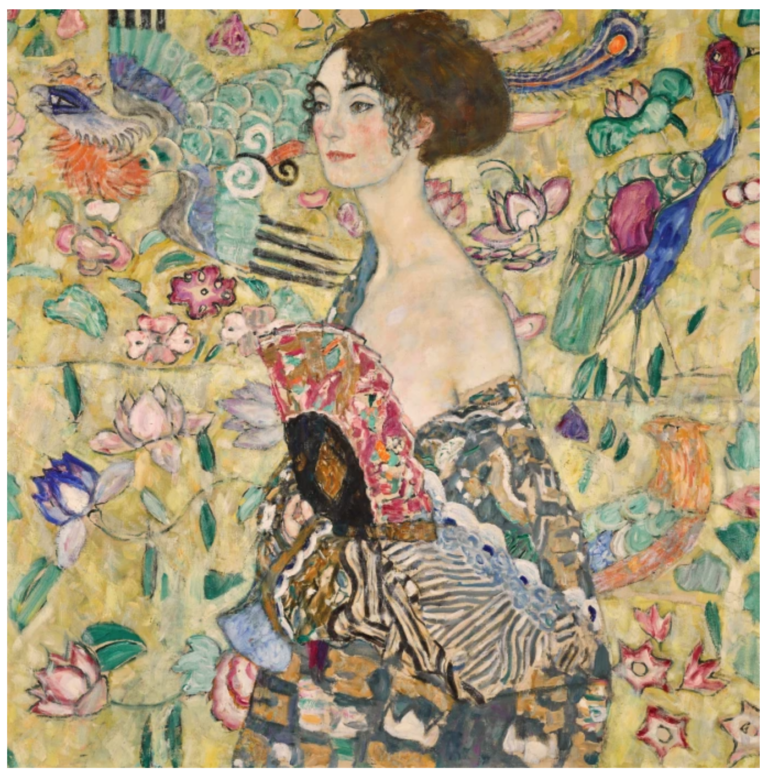
    Grand Finale: The Exquisite “Dame mit Fächer” As an art enthusiast, your heart might skip a beat when you hear the name Gustav Klimt, an Austrian painter whose ingenuity and artistic mastery have transcended time and continue to impress and influence generations of artists and art lovers worldwide. The momentous news is here, and it’s…

  • |

    Arne Quinze

    Arne Quinze, a Belgian artist, is renowned for his vibrant large-scale installations that serve as catalysts for social interaction in urban spaces. His artistic journey emphasizes the transformative power of public art, encouraging communities to engage with their environments. Notable works such as “The Sequence,” “Uchronia,” and “Rock Strangers” exemplify his philosophy that art can bridge cultural gaps and stimulate dialogue. Through innovative materials and configurations, Quinze challenges traditional perceptions of art, advocating for its integral role in urban renewal and community discourse, thereby shaping contemporary public art’s future.

  • | | |

    Ukraine

    Photographs from the Frontline – A Glimpse into the Harsh Reality of War The Imperial War Museum (IWM) London unveils a gripping new photography exhibition titled “Ukraine: Photographs from the Frontline,” which aims to shed light on the harsh realities of war faced by Ukrainian civilians. This powerful exhibition features the work of renowned photojournalist…

Deja una respuesta

Tu dirección de correo electrónico no será publicada. Los campos obligatorios están marcados con *